Solar Electricity Systems: Large-Scale Photovoltaic Systems Can Substantially Reduce Energy Expenses For Organizations
Opening the Benefits of Industrial Solar Panels
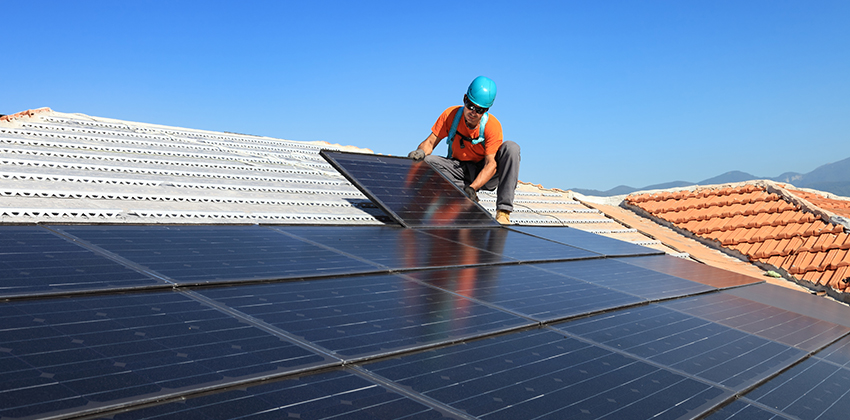
Have you ever wondered why more companies are turning towards commercial solar panels in their energy strategy? It's not just about going green-- though that's an engaging factor-- it has to do with utilizing an abundant, free resource that can drastically decrease functional costs with time. Imagine a factory roofing system transformed into a quiet, effective energy generator, silently slicing monthly electrical power costs while minimizing carbon footprints.
Financial Advantages That Speak Volumes
Commercial photovoltaic panels provide a suite of financial advantages that can improve a business's bottom line. Think about these bottom lines:
- Lowered Energy Costs: Solar power can balance out a substantial part of electricity use, leading to instant cost savings.
- Roi (ROI): Though initial installation can be considerable, the long-term cost savings frequently exceed the in advance costs.
- Energy Cost Stability: Unlike fossil fuels, solar energy isn't based on market volatility.
- Increased Property Worth: Structures geared up with solar systems tend to assess greater in value.
Environmental Effect: More Than Just a Buzzword
Think of the last time you saw a field of photovoltaic panels shining under the sun. It's a sight that represents hope and responsibility. Industrial solar panels significantly lower greenhouse gas emissions, helping businesses align with sustainability goals without sacrificing performance.
- Lower carbon footprint
- Reduction in dependence on nonrenewable energy
- Assistance for business social duty efforts
Operational Advantages That Typically Go Unnoticed
Beyond the obvious monetary and ecological perks, industrial solar panels provide operational advantages that lots of neglect. For example, solar setups can provide energy self-reliance, decreasing vulnerability to power blackouts or energy rate walkings. This durability can be a game-changer throughout peak need durations or emergencies.
| Benefit | Explanation |
|---|---|
| Energy Dependability | Ensures a constant power supply, decreasing downtime. |
| Low Upkeep | Industrial solar technology requires very little upkeep. |
| Scalability | Systems can expand as energy needs grow. |
What's the Catch?

Is there a disadvantage? Some may argue the in advance financial investment or space requirements. But if you peer beyond the surface, the long-lasting advantages often eclipse these challenges. Consider it: in a world where energy expenses unexpectedly vary, wouldn't you desire a stable, eco-friendly source? The answer might be clearer than you believe.
Ultimately, industrial solar panels don't just power structures-- they empower companies to imagine a future where profit and planet coexist harmoniously. Could this be the energy transformation your service has been waiting on?
Installation Process and Considerations
Envision standing atop a commercial rooftop, the sun blazing overhead, panels gleaming like shards of a futuristic mosaic. The setup procedure for industrial solar panels is far from a basic rooftop design-- it's a complicated symphony of engineering, accuracy, and foresight. One mistake in the installing angle or circuitry layout can ripple into months of lost effectiveness and pricey repair work.
Key Steps in Setup
- Site Evaluation: Before the very first panel touches metal, a thorough examination of the website's sun direct exposure, roofing structure, and shading patterns is critical. Does the roofing slope favor ideal solar gain? Are close-by trees or buildings casting unpredictable shadows?
- System Design: Tailoring the panel layout to business's energy needs and roofing system restraints involves advanced modeling tools. This is where theoretical energy output meets physical reality.
- Structural Support: Commercial roofs often require support to bear the weight and wind loads of the solar variety. Not representing this can lead to sagging or devastating failure throughout storms.
- Electrical Integration: Linking the panels to the structure's electrical system demands skilled understanding of load balancing and inverter placement to decrease energy loss.
- Last Inspection and Testing: The last action guarantees everything runs effortlessly, however it's likewise when concealed defects frequently emerge.
Vital Factors To Consider for Success
- Roofing System Condition and Durability: Are you setting up on a roof that will last another 20 years? It's smart to replace or fix the roofing in advance to prevent removing panels prematurely.
- Weight Circulation: Not all roofing systems are produced equivalent. Comprehending the load-bearing capacity avoids structural damage and preserves safety.
- Orientation and Tilt Optimization: Even a minor deviation from the ideal panel angle can slash output by up to 15%. Accuracy here pays dividends.
- Weather condition Patterns: How will local environment extremes-- hail, snow, or high winds-- impact the resilience and efficiency of your system?
- Wiring Pathways: Preparation wiring routes to reduce voltage drop and avoid electromagnetic interference is an often overlooked yet crucial element.
Specialist Tips for a Perfect Setup
| Suggestion | Why It Matters |
|---|---|
| Perform a shadow analysis at various times of day and year | Makes sure optimum sunshine capture and prevents unforeseen dips in energy production |
| Usage micro-inverters instead of a single central inverter | Boosts system durability; one panel's underperformance will not drag down the whole array |
| Engage a structural engineer early at the same time | Avoids costly surprises connected to roofing integrity and compliance |
| Label all electrical elements plainly | Accelerate repairing and future upgrades |
Have you ever questioned why some solar installations seem to defy the elements for decades, while others fail after a couple of seasons? It's the unseen attention to detail-- like validating torque settings on installing hardware or adjusting inverter settings to regional grid conditions-- that separates the remarkable from the average. Industrial photovoltaic panel setup is less about slapping panels on a roofing system and more about crafting a durable, effective energy community tailored to the special pulse of each service.
Exploring the Ranges of Business Solar Panels
Imagine strolling into a huge field of solar panels, each gleaming under the sun with a distinct purpose. Business solar panels aren't a one-size-fits-all solution. They are available in various tastes, each tailored to different energy needs and setup environments. Ever wondered why some panels appear bulkier while others appear sleek and slim? Let's peel back the layers.
Monocrystalline Solar Panels: The Elegance of Effectiveness
These panels, crafted from a single crystal of silicon, look like a dark, nearly black canvas extended throughout rooftops and solar farms. Their uniform look isn't simply visual-- it translates to greater performance rates, frequently hovering around 20% or more. This indicates they transform a larger portion of sunlight into electricity, making them ideal for spaces where every square inch matters.
However, their production is energy-intensive, similar to molding a diamond from rough stone. For businesses with restricted roofing area but high energy intake, monocrystalline panels typically end up being the go-to choice.
Polycrystalline Solar Panels: The Mosaic of Affordability
Image a mosaic, vibrant and speckled with numerous shades of blue. Polycrystalline panels are made from melted silicon fragments put into molds, resulting in a somewhat grainy, less consistent look. They generally offer a little lower efficiency-- around 15-17%-- however their manufacturing procedure is less inefficient and more cost-efficient.
When spending plan restraints loom big, and area is less of a premium, these panels strike a great balance in between upfront investment and performance.
Thin-Film Solar Panels: The Lightweight Contenders
Ever seen solar panels that look like flexible sheets instead of stiff panels? Thin-film innovation deposits photovoltaic product onto substrates like glass or metal, creating lightweight, bendable panels. While their effectiveness lags behind crystalline types-- often listed below 15%-- they master special applications where conventional panels falter.
Envision roofs with unusual shapes or big facade setups where weight and flexibility determine options. Thin-film panels shine here, although they require more area and cautious factor to consider of long-term output deterioration.
Key Considerations for Commercial Setups
- Energy output per square foot: Critical for maximizing power in constrained spaces.
- Sturdiness: Panels withstand weather extremes; material structure affects life-span.
- Temperature coefficient: Essential in hot climates as some panels lose performance when temperatures rise.
- Setup complexity: Thin-film panels can lower structural load however may complicate electrical wiring.
Insider Tips for Selecting the Right Panel Type
- Assess your roofing system's load-bearing capacity before choosing heavier monocrystalline arrays.
- Think about the angle and orientation of your installation site; some panels carry out better under scattered light.
- Look beyond effectiveness numbers-- consider deterioration rates and warranty terms.
- Take part in early discussion with engineers about prospective shading issues that can dramatically minimize output.
In the mission for the perfect commercial photovoltaic panel, the devil is truly in the details. Are you prepared to harness the sun's power with precision instead of uncertainty?
Ecological Impact and Energy Cost Savings of Commercial Solar Panels
Think of a large roof, once a barren stretch of asphalt, now gleaming with rows of business photovoltaic panels. This improvement isn't just visual; it's a powerful declaration against the unrelenting consumption of nonrenewable fuel sources. Business solar ranges can slash carbon footprints in ways that may surprise even seasoned energy experts. But what does that really suggest for the environment and your bottom line?
Carbon Footprint Reduction: Beyond the Numbers
Every kilowatt-hour generated by photovoltaic panels represents a small victory against greenhouse gas emissions. On a larger scale, an industrial center geared up with solar can reduce CO2 emissions by loads yearly-- comparable to planting hundreds of trees. Yet, the real impact extends beyond simple statistics. Think about the causal sequence: fewer emissions indicate cleaner air, much healthier communities, and a more steady environment.
Energy Performance: The Quiet Game-Changer
Performance in solar innovation has jumped forward, however even the most sophisticated panels deal with environmental obstacles during manufacturing. What often leaves attention is how savvy system design can alleviate these concerns, optimizing energy output while minimizing eco-friendly disturbance. Orienting panels with precision and incorporating energy storage options can change variable sunlight into steady power, cutting reliance on grid electrical energy.
Expert Tips for Maximizing Energy Cost Savings
- Enhance tilt and orientation: Even a few degrees can impact efficiency by up to 15%.
- Incorporate wise inverters: They enhance grid compatibility and reduce energy losses.
- Leverage energy management systems: Real-time monitoring recognizes inadequacies before they intensify.
- Scale slowly: Phased installations permit adjustment to evolving energy needs without losing resources.
Environmental Trade-offs and Long-Term Vision
Photovoltaic panel do not derive from thin air; their production includes unusual minerals and energy-intensive processes. This reality nudges stakeholders to believe beyond immediate gains. What if end-of-life recycling for panels were streamlined industry-wide? The potential for circular economy concepts to reshape the solar sector is tremendous, promising even higher ecological dividends in the future.
Quantifying Effect: A Quick Reference Table
| Metric | Common Annual Commercial Solar Output | Equivalent Environmental Advantage |
|---|---|---|
| Energy Produced (kWh) | 500,000 | Powering ~ 45 typical homes for a year |
| CO2 Emissions Avoided (heaps) | 350 | Planting ~ 300 mature trees |
| Energy Expense Cost Savings | ~$ 40,000 | Reinvestment into sustainable operations |
When weighing the ecological impact of business solar panels, ask yourself: are you prepared to imagine energy not just as an utility, but as a catalyst for eco-friendly renewal? The response forms how businesses harness the sun's Solar Electric Contractors power today-- and tomorrow.